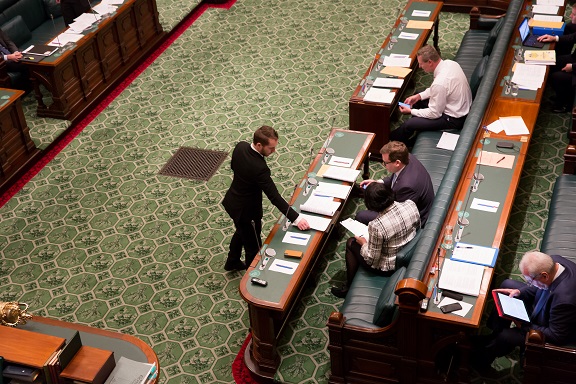
People in Parliament - House of Assembly
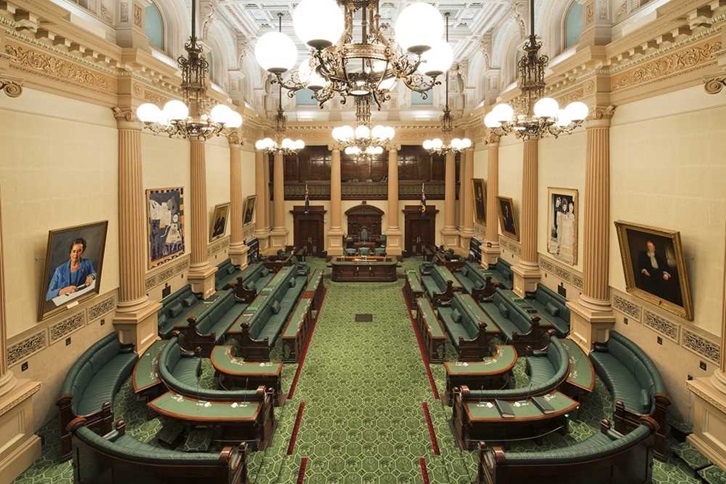
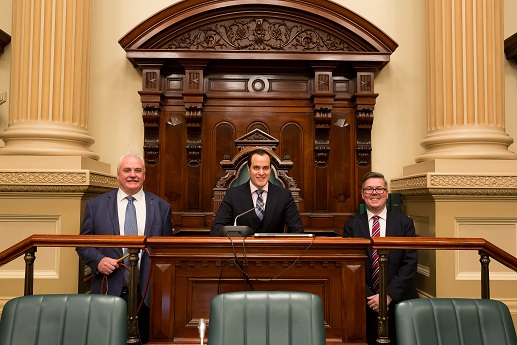
Speaker
- Presides over the debates of the House of Assembly
- Is elected by Members of the House of Assembly
- Keeps order in the House of Assembly
- Understands the rules (Standing Orders) and procedures and makes sure they are followed
- Usually does not take part in debates
- Calls Members who wish to speak or ask questions
- Puts the questions on which Members vote, and announces the results of each vote
- Once elected may continue to be an active member of a Political Party, but is expected to be fair to all members whatever party or group to which they may belong
- Sits in the Speaker’s Chair
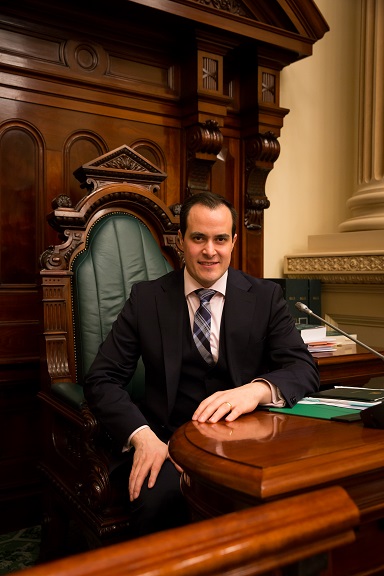
Chairman of Committees
- Is in charge of proceedings and keeps order in Committee of the Whole, where bills are considered in detail and possibly amended
- Is elected by the House of Assembly
- Sits in the chair at the head of the Table between the Clerks (after the Speaker has left the Speaker’s Chair)
- Reports to the Speaker what the Committee of the Whole has agreed to a Bill
- Is also the Deputy Speaker
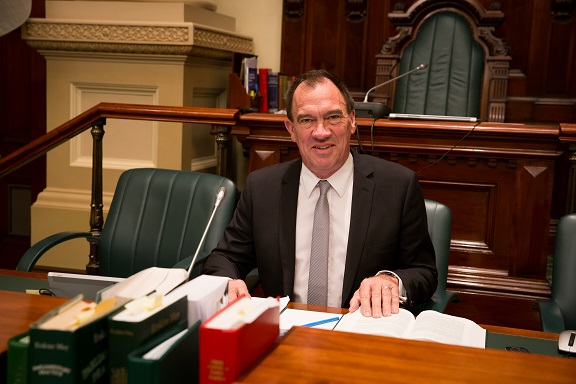
Members
- Represent electorates
- Are elected for four year terms
- Are nearly always members of a Political Party
- Speak in debates, ask questions, present petitions and take part in votes
- Raise issues of concern to people, particularly people in their electorates
- Debate bills and may move amendments
- Move motions for debate
- May be made members of a committee by the House
Premier
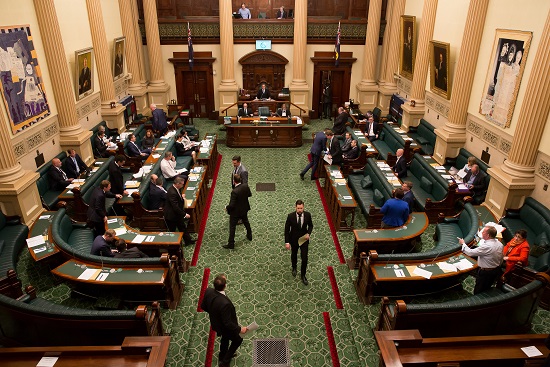
- Is the head of the governing party and Leader of the Government
- Forms a Ministry to govern the State, and chairs the Cabinet
- Takes a leading part in debates in the House
- Is accountable to the Parliament for all Government decisions and actions
- Is assisted by the Deputy Premier
- Is a Member of Parliament and represents an electorate
- Sits opposite the Leader of the Opposition
Leader of the Opposition
- Is the leader of the major non-governing party
- Has the task of questioning the Government, examining its plans and presenting an alternate point of view
- Is a Member of Parliament and represents an electorate
- Sits opposite the Premier
Ministers
- Are usually members of the governing party
- Ministers form the Cabinet
- Are responsible for one or more Government Departments
- Introduce legislation on behalf of the Government
- Make speeches to explain their plans
- Are asked questions during Question Time
- Present reports from their Departments
- Are responsible to the Parliament for all of their decisions and actions
- Sit on the front benches on the Government side of each House
Party Whips
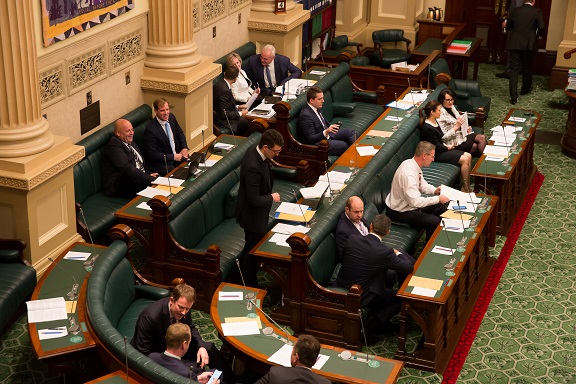
- Arrange meetings of their Party
- Keep the Members in their Party informed on the business before the House, and arrange for speakers to take part in debates
- Make sure that the Members in their party are present at voting time
- Arrange for ‘pairs’ if a Member is sick, or is absent for an approved reason
- Are chosen by each Party in the House of Assembly
Clerk of the House of Assembly
- Gives procedural advice, based on the rules (Standing Orders), procedures and practices of the House of Assembly to the Speaker, Ministers and Members
- Compiles and has custody of the official records of the business of the House of Assembly
- Calls items of business, reads titles of bills and announces petitions
- Times Members’ speeches and rings the bells for divisions
- Is responsible for the administration of the House of Assembly and its Committees
- Is appointed to the position after many years of experience
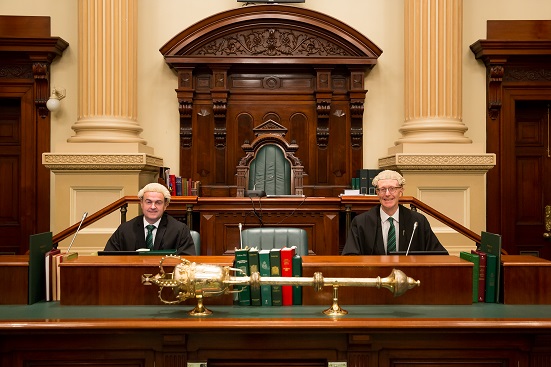
- Wears the traditional dress of a gown
- Sits at the head of the Table, on the right hand side of the Speaker
- Is assisted by a Deputy Clerk and the Clerk Assistant
Serjeant-at-arms
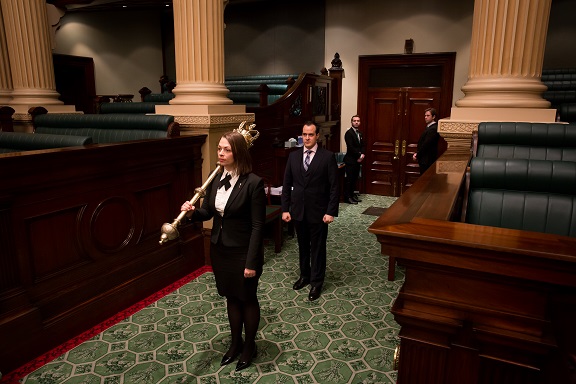
- Conducts the Speaker to the Chair during the ceremony at the beginning of every sitting day
- Takes part in ceremonial activities
- By direction of the Speaker keeps order in the Chamber and the Public Galleries
- Is responsible for the security and providing services to Members and visitors
- Is a member of the House of Assembly Staff
Hansard Reporters
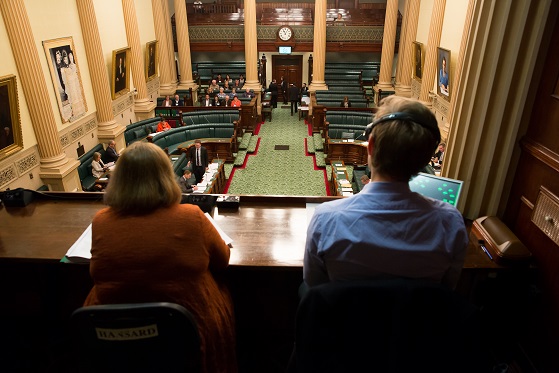
- Take a word-by-word shorthand/electronic record of the debates in each House
- Take turns of ten minutes
- Transcribe into written word for Hansard Records
- Sit in the Hansard Reporters Gallery
Attendants
- Deliver messages to and from Members
- Prepare the House at the beginning of the day
- Distribute bills and other documents in the Chamber and to offices
- Assist visitors to Parliament House
- Are supervised by the Serjeant-at-Arms